Physiotherapy is our core training, together with sport sciences, and it is what has allowed us to specialise in every other area.
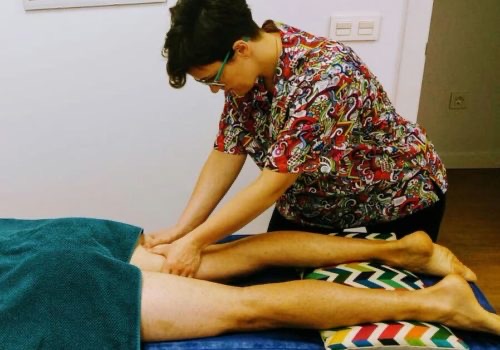
That is why, at Clínica Mà i Cos, we cannot imagine treating anyone without applying techniques drawn from physiotherapy: massage in all its forms, stretching, therapeutic exercise and so on. Always aimed at relieving the patient’s symptoms.
What is physiotherapy?
The definition of physiotherapy took shape as the discipline became established and professionalised, since physiotherapy is a relatively young science. In 1958 the World Health Organization defined it as the science of treatment through physical means: therapeutic exercise, massage therapy and electrotherapy. It is a health science discipline offering non-pharmacological therapeutic and rehabilitation treatment to diagnose, prevent and treat the symptoms of many conditions, both acute and chronic.
Broadly speaking, there are three distinct roles:
- Clinical care. This is where the professional relationship between physiotherapist and patient is established. The aim is to contribute to the physical and mental wellbeing of the person affected by a condition.
- Teaching and research. Students need to be trained by professionals at university. There are also physiotherapists devoted to research, discovering new methods and therapies.
- Management. Physiotherapists often take part in the administrative running of the centre where they work. This role can be delegated, however, and depends on the professional’s level of responsibility within the centre.
As we said at the start, physiotherapy is a profession full of possibilities. The human body works like a very complex machine, and each part may need different treatment. It is only logical, then, that there are several specialities. These are some of the most common:
- Neurology. Physiotherapy improves the quality of life of people with neurological disorders. Some can improve a great deal physically thanks to regular treatment. A distinction has to be made between paediatric and adult neurological physiotherapy (cerebral palsy, hemiplegia, degenerative diseases of the nervous system and so on).
- Paediatrics. Some children need professional help, whether for developmental disorders or for specific complaints. Musculoskeletal, neurological, respiratory and rheumatological conditions can all be treated.
- Geriatrics. Ageing tends to bring an increase in health problems. Physiotherapy is a way of tackling the symptoms and contributing to physical wellbeing (degenerative musculoskeletal diseases, prolonged immobilisation and so on).
- Gynaecology. Physiotherapy contributes to good pelvic floor health. It can address the antenatal and postnatal periods, urinary incontinence and sexual dysfunction (childbirth preparation, postpartum reeducation, urinary incontinence and so on).
- Sport. People who play sport professionally or as a regular hobby need a physiotherapist they trust, not only to treat injuries but to prevent them (muscle contractures or imbalances, postural problems and so on).
- Mental health and psychiatry. Physiotherapy treatment reduces feelings of anxiety and helps to find a balance between body and mind.
- Traumatology. This field covers bone fractures, dislocations, sprains, inflammation and so on (sprains, fractures, contractures and so on).
- Oncology. Cancer patients can also benefit from physiotherapy. Stimulation contributes to a greater sense of wellbeing.
- Sports medicine: athlete recovery, training, physical conditioning and so on.
- Rheumatology: osteoarthritis, arthritis, ankylosing spondylitis and so on.
- Respiratory medicine and thoracic surgery: bronchitis, asthma, cardiac procedures.
- Plastic surgery: post-surgical drainage after liposuction, nasal septum procedures and so on.
- General surgery: pre-operative and post-operative care.